


Performance: UW Chorale, conducted by Giselle Wyers, soloist Akhila Narayanan
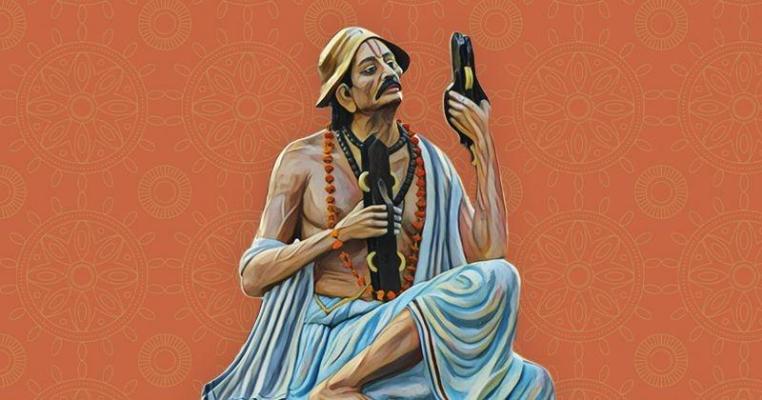
Jalakamaladala was arranged by Nariman H. Wadia in August 1989, as a birthday gift to his wife, conductor Coomi Wadia. The text is adapted from a traditional Gujarati poem written by Narasimha Mehta in the 15th century. The UW Chorale performs the 2022 U.S. premiere of the piece above.
“This work, arranged by Nariman H. Wadia, is a Gujarati folksong, on a poem by Narasimha Mehta, that tells a story from the childhood of the Hindu god Krishna, and his battle with the 100-headed Kaali Naag (Black Snake). The composition was dedicated to his wife, conductor Coomi Wadia, and premiered by The Paranjoti Academy Chorus on their world tour in 1989. Wadia said he had the voice of Pervin Damania in his ear when he wrote the solos.
The original poem has many verses, possibly 14, but Wadia chose four which encapsulate the story. The Jalakamaladala (Jala = water, kamala = lotus, dala = group), the female snake handmaidens are guarding their master, the invincible 100-headed snake Kaali Naag, while he sleeps in the lake. The Child Krishna wants to enter the lake to retrieve his lost ball. The Jalakamaladala plead with the Child not to come into the water. They are certain their master will be disturbed, and, in a fit of rage, kill him. They fear that if this happens on their watch the sin of child-slaughter will hang heavy on their karma. They try to tempt Krishna; they will steal necklaces and gold belts from their master and give them to him if he will just go away! Krishna, knowing his own power, refuses their gifts and blithely enters the water. A fierce battle ensues between the Snake and the Child; the waters roil as if the heavens were thundering and elephants rampaging. Just when all hope seems lost, Krishna emerges victorious from the water, dancing on the hoods of the subdued Kaali Naag, much to the astonishment of the Jalakamaladala! This scene in Hindu mythology has been a favorite of Indian painters for centuries. Wadia begins the piece with a solo soprano Jalakamaladala pleading with the Child, unaware of who He is and ends with the same verse sung in awe and wonder as she now recognizes and bows before the divinity of Lord Krishna.”
Leave a Reply